Inland, a hose bib or a water heater's anode rod is one of the last things a homeowner thinks about. Within a mile or two of the water from Carpinteria up through Summerland and Montecito, it's often the first thing to fail. Airborne salt doesn't need standing water to do damage. Chloride ions ride the marine layer and onshore breeze, settle on any exposed metal, and pull moisture out of the air onto that surface even on a dry day, which is exactly the setup galvanic corrosion needs. We get calls for pitted hose bibs, seized shutoff valves, and water heaters with visibly wasted anode rods at an age where the same parts inland would still look new. None of it is random. It's a predictable chemical process, and once you know where it hits first, most of it is cheap to prevent and expensive to ignore.
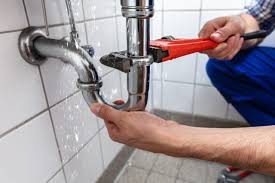
How salt air actually attacks plumbing
Corrosion needs three things: a metal, an electrolyte, and a path for electrons to move. Fresh water alone is a weak electrolyte. Salt water, and salt-laden air condensing on a metal surface, is a strong one, because dissolved chloride ions carry current far more efficiently. When two different metals are in contact, one connector on a brass valve threaded into a galvanized steel line, for example, they don't corrode at the same rate. The more electrically active metal becomes the anode and sacrifices itself to protect the more passive one, which is the same principle a sacrificial anode rod uses inside a water heater tank on purpose. Near the coast, that reaction runs faster and never really stops, because the electrolyte keeps replenishing itself out of the air.
Brass fittings show a specific failure mode called dezincification. Standard plumbing brass is a copper-zinc alloy, and in the presence of chloride and moisture the zinc leaches out selectively, leaving a porous, reddish, copper-rich structure behind that looks intact but has lost most of its strength. A dezincified fitting can crack or fail under normal water pressure with no visible warning beyond a slightly different color at the joint. It's one of the more common reasons we get called out to a "fitting that just let go" on a property within a few blocks of the water.
Where it shows up first
Salt air affects exposed metal, not sealed indoor plumbing, so the damage concentrates in predictable places:
- Exterior hose bibs and shutoff valves. Constant exposure with no protection, usually the first thing to seize, drip, or crack.
- Water heater anode rods and flue assemblies. A garage water heater with a vent to the outside, or any louvered garage door, pulls in marine air continuously.
- Exterior pressure regulators and gas meter fittings. Anything brass or steel mounted outdoors takes the same exposure as a hose bib.
- Chrome-plated fixtures and zinc-plated fasteners. The plating is thin. Once it pits through, the base metal underneath corrodes quickly.
- Braided supply lines that aren't true stainless. A lot of inexpensive "stainless" supply lines are chrome-plated steel braid, not stainless steel, and rust through faster than people expect.
| Material | Coastal performance |
|---|---|
| Galvanized steel | Poor. Zinc coating sacrifices itself quickly in salt air, then the base steel rusts. |
| Standard brass | Fair. Prone to dezincification over years of exposure without protection. |
| DZR (dezincification-resistant) brass | Good. Alloyed specifically to resist the zinc-leaching failure mode above. |
| 304 stainless steel | Good. Holds up well but can still pit under direct salt spray over long exposure. |
| 316 stainless steel | Very good. Added molybdenum gives meaningfully better chloride resistance; the standard for marine hardware. |
| Copper pipe (unjointed run) | Very good against air exposure; its real long-term risk is water chemistry, not salt air. |
| PEX / CPVC | Excellent. No metal, so airborne salt has nothing to react with. |
Every tank water heater relies on a magnesium or aluminum anode rod to sacrifice itself instead of the steel tank. Manufacturers generally spec inspection every three years. On a garage unit within a mile or two of the water, especially combined with our hard water, we recommend pulling it at the two-year mark instead. A rod worn down to a thin core wire, or one that's gone entirely, means the tank itself is next in line to corrode, and a leaking tank is a full water heater replacement rather than a twenty-minute rod swap.
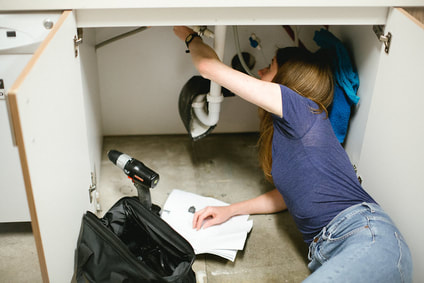
Shutoff valves and supply line fittings are worth a look on every service call in a coastal home, not just when something's already leaking.
The South Coast, block by block
Exposure isn't uniform. It depends on how far a property sits from the water, what's between it and the shoreline, and which direction it faces relative to the prevailing onshore flow.
Montecito combines direct coastal exposure with a lot of older, larger properties where exterior plumbing, irrigation backflow assemblies, and pool equipment sprawl across more exposed hardware than a typical lot. We see corrosion on exterior valves and irrigation fittings here at a rate well above what the same age property would show a few miles inland.
Summerland sits close enough to the bluff that homes on the ocean-facing side take airborne salt almost daily. Anode rods and exterior hose bibs are usually the first calls we get from properties here, often years before a homeowner expects to think about either one.
Carpinteria spreads out further from the immediate shoreline in places, so exposure varies more block to block than in Summerland or Montecito. Properties within a few blocks of the beach behave like direct coastal exposure; further back toward the 101, corrosion runs closer to what we see in Ventura's flatter neighborhoods.
It's the same story we've documented closer to home. Ventura's own Pierpont and Ventura Keys neighborhoods deal with identical exposure, and it's part of why we flag it in our write-up on hard water and Ventura County plumbing, since hard water and salt air often attack the same weak points from two different directions. Santa Barbara and Goleta properties directly along the water see the same pattern as Montecito and Summerland; set back a few blocks and exposure drops noticeably.
A five-year-old water heater with a tank already rusting through
A property a few blocks off the water in Summerland called us about a water heater leaking from the bottom at five years old, well short of the ten-to-twelve-year life we'd normally expect. The anode rod had never been checked. When we pulled it, there was almost nothing left of it, just a thin wire core, and the steel tank itself had already started corroding from the inside. At five years, an anode swap would have been a routine service call. At that point, the only real fix was a full replacement. We install the new unit with a two-year inspection reminder built into the maintenance plan specifically because of what we saw.
Illustrative example. Specific outcomes vary based on existing infrastructure and site conditions. Prior results do not guarantee similar outcomes.
What actually prevents it
None of this requires exotic materials or constant maintenance, just the right choices in the right places and a check-in on a realistic schedule.
- Use DZR brass or 316 stainless for anything exposed. Hose bibs, exterior shutoffs, and irrigation backflow hardware are worth the modest upcharge over standard brass or plated steel.
- Install true stainless supply lines, not chrome-plated look-alikes. Confirm 304 or 316 stainless on the packaging, not just a shiny finish.
- Use a dielectric union wherever copper meets steel or galvanized pipe. It breaks the electrical path that drives galvanic corrosion between the two metals.
- Check the anode rod every two years within a mile or two of the shoreline. It's inexpensive compared to a tank replacement.
- Default to PEX or CPVC for exposed exterior runs during a repipe. Plastic doesn't corrode, which removes the problem entirely on the runs it covers.
- Replace worn exterior fixtures before they fail, not after. A seized or pitted hose bib rarely announces itself before it splits.
We build these checks into every preventative maintenance visit for coastal properties, on a shorter interval than we'd use a few miles inland, because the exposure genuinely calls for it.
| Service | Typical cost | Why it's worth doing on schedule |
|---|---|---|
| Anode rod inspection & replacement | $150–$300 | Cheap insurance against a full tank replacement |
| Exterior hose bib replacement (DZR or stainless) | $175–$350 per fixture | Upgraded material outlasts standard brass several times over |
| Dielectric union installation | $100–$250 per connection | Stops galvanic corrosion where dissimilar metals meet |
| Full water heater replacement, salt-related tank failure | $1,800–$3,500+ | The outcome an anode check is meant to prevent |
The bottom line
Salt air doesn't care how new a house is. It attacks exposed metal on a chemical schedule that runs faster the closer a property sits to the water, and the fixtures it targets, hose bibs, anode rods, exterior valves, are the ones nobody thinks to check until they fail. The fix isn't complicated: better material where it's exposed, a dielectric union where metals meet, and an anode check on a schedule that matches the exposure instead of the national average. Get that right once during an install or a repipe and it stops being a recurring problem.
If you're in Montecito, Summerland, Carpinteria, or anywhere else along this coast and it's been a while since anyone looked at your exterior fittings or your water heater's anode rod, we'll check both on the same visit.